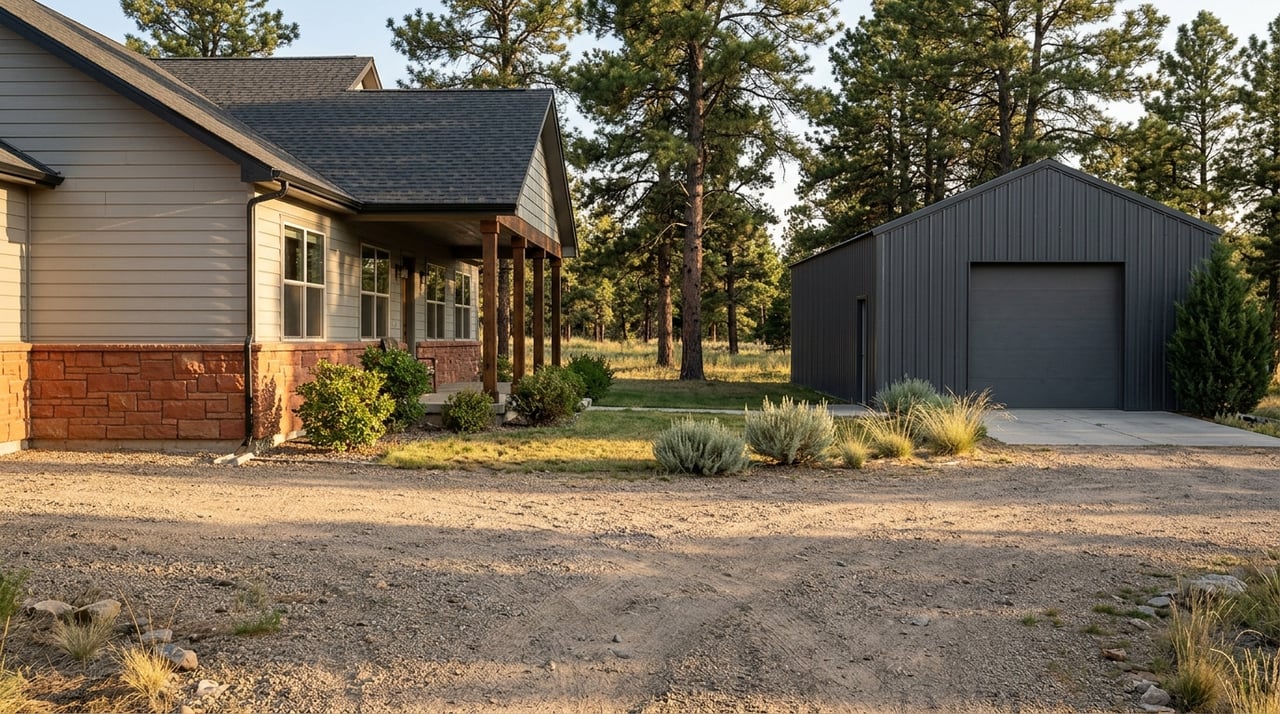
Are you picturing a little more elbow room, a workshop out back, or a place where your day starts with open sky instead of a fence a few feet away? Acreage living in Falcon and Peyton can absolutely offer that, but it is not one simple category. Before you assume any large lot will work the way you want, it helps to understand how zoning, utilities, roads, and property restrictions can shape daily life. Let’s dive in.
Acreage means different things here
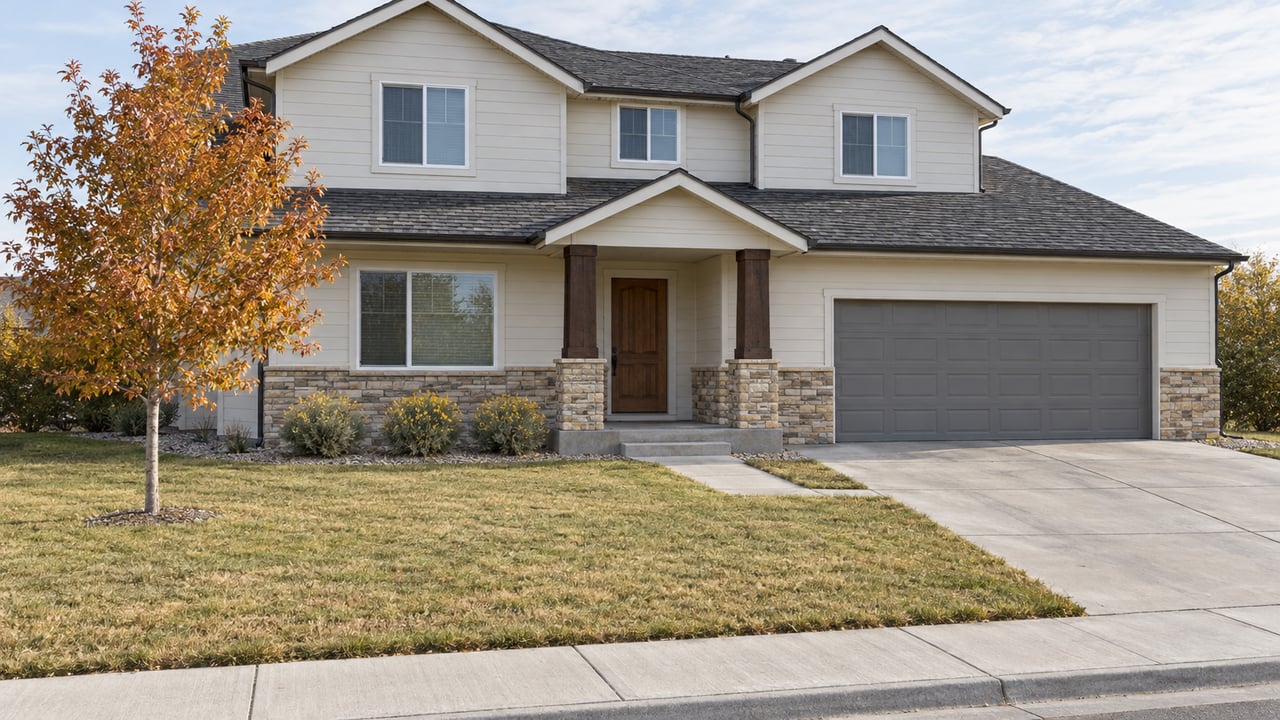
In Falcon and Peyton, acreage living covers a wide range of property types. El Paso County planning materials describe the corridor as a mix of urban growth areas and existing rural residential land uses, with clustered development next to lower-density areas and open space.
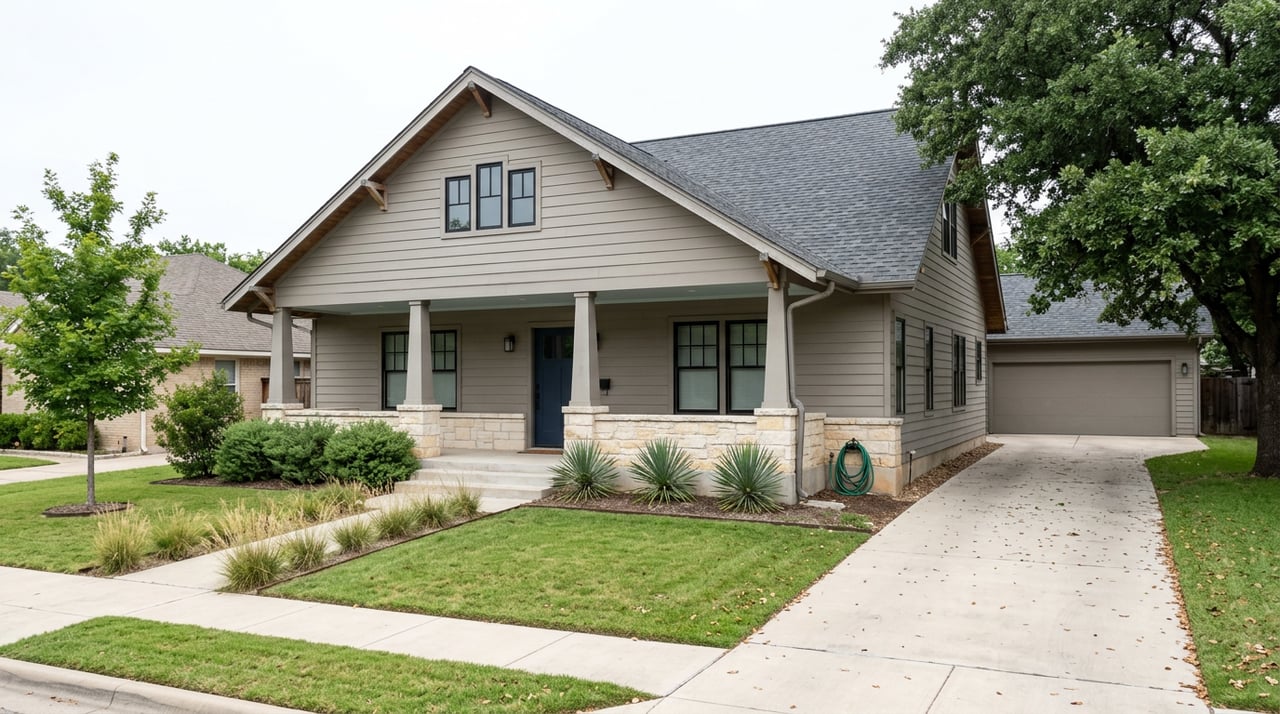
That means one property may feel like a master-planned neighborhood with more breathing room, while another may function more like a rural homesite. If you are shopping in this area, the first step is knowing that “acreage” does not automatically mean the same lifestyle from one listing to the next.
Lot sizes vary more than many buyers expect
County zoning in this area includes A-35 agricultural zoning, RR-5 rural residential, RR-2.5 rural residential, and suburban districts such as RS-20000, RS-6000, and RS-5000. In plain terms, that range can translate to anything from a larger suburban lot to a true rural parcel.
This matters because the number of acres is only part of the story. Two properties may both be marketed for space and privacy, but their zoning, utility setup, and use options can be very different.
Meridian Ranch is one example of the spectrum
Meridian Ranch shows how broad the Falcon market can be. According to Meridian Service Metropolitan District, it is a 2,650-acre master-planned community at full buildout with water, wastewater, stormwater, parks, trails, recreation amenities, a golf course, commercial property, and about 5,000 residential units planned.
Even within Meridian Ranch, lot sizes vary. A county planning report cites Meridian Ranch Filing No. 9 with average lot sizes around 11,000 square feet, while The Estates at Rolling Hills Ranch is described with average lot sizes of about 1.15 acres, and the developer says homesites there range from a half-acre to over one acre.
Do not assume acreage equals hobby farm use
One of the biggest buyer mistakes is assuming that if a property has land, it will automatically allow barns, workshops, chickens, or small livestock. In Falcon and Peyton, that is not always true.
County forms show that an accessory building exemption from the building code is available only for A-35 parcels. A separate Farm/Ranch Residence form also applies to A-35 and requires at least 35 acres. That is a strong reminder that larger-lot living and agricultural use are not the same thing.
Animal rules can change by parcel size
On smaller properties, county code limits can apply even if the lot feels rural. El Paso County says that in residential zoning districts allowing less than 2.5 acres, owners may keep four dogs and or cats plus no more than two other domesticated animals such as miniature goats, miniature ponies, or miniature pigs, subject to size and species limits.
So if your goal is a small animal setup, it is smart to verify the exact zoning and use rules early. A property that looks perfect online may not support the lifestyle you have in mind.
Agricultural tax status is not based on zoning alone
Another point that surprises buyers is property tax classification. The El Paso County Assessor notes that agricultural classification depends on actual farm or ranch use, not zoning by itself.
The assessor says the land must be used for farming or ranching for three continuous years to establish agricultural classification. The office also states that grazing or boarding pleasure horses does not qualify as ranching use for that purpose.
Building envelopes can reduce usable space
Acreage buyers often focus on lot size but forget to ask where improvements can actually go. Recorded plat notes may create building envelopes that control where the home, accessory structures, well, and onsite wastewater system can be placed.
In some cases, those envelope restrictions are more limiting than zoning setbacks. That means a parcel may offer plenty of land on paper, but less flexible usable space than you expected.
Utilities are a major due-diligence item
Utilities are often the biggest difference between a large-lot neighborhood home and a more rural parcel. Some homes are served by central water and wastewater systems, while others may depend on wells and onsite wastewater systems.
That difference affects upfront research, ongoing maintenance, and how you plan future improvements. It is one of the most important things to confirm before you make an offer.
Central services are not available everywhere
Meridian Service Metropolitan District says it provides water and wastewater services only to properties within its service boundaries. The district also directs buyers to verify the service-area map instead of assuming a parcel is served.
The district says monthly fees help fund maintenance of parks, recreation, open space, trails, entry features, drainage facilities, and street lighting. If you are comparing properties, it helps to understand not just the cost, but what services that fee supports.
Well and septic questions matter outside service areas
For properties outside a central utility district, more review is often needed. El Paso County’s onsite wastewater guidance says soil conditions and central sewer availability can affect whether an OWTS permit is approved.
The county also says an OWTS permit may be denied if a sewer mainline exists within 400 feet of the property and the district or municipality agrees to provide sewer service. For wells, county recording FAQs note that permits are issued by the Colorado Division of Water Resources, and plat notes state that individual wells are the owner’s responsibility.
Drainage is not just a rainy-day issue
Drainage can affect maintenance, usable yard area, and future improvement plans. County plat notes state that private detention basins and stormwater-quality features may be maintained by an HOA, the owner, or a special district.
That is why it is important to ask who is responsible for drainage tracts, ponds, swales, or easements tied to the property. The answer can affect both cost and convenience over time.
Roads and snow removal work differently here
Acreage living often comes with a different road setup than you may be used to in town. El Paso County Public Works says the Highway Division maintains county roads and bridges, drainage, signs and signals, right-of-way work, and snow and ice removal on county roads.
At the same time, the county says homeowners are responsible for the culvert under their driveway and the land 10 feet on each side of it. That split in responsibility is worth understanding before closing.
Private roads require extra questions
If a road is private, the maintenance picture changes. County final-plat requirements state that private roads are not maintained by El Paso County until they are built to county standards and formally accepted.
That means you will want to verify whether road access is county-maintained, district-maintained, or private. You should also ask who handles snow removal, potholes, and drainage repairs.
Meridian Ranch has a different setup
In Meridian Ranch, road maintenance is more straightforward. Meridian Service Metropolitan District says all roads there are maintained by El Paso County Public Works, including snow removal, roadway modifications, street sweeping, striping, signage, and pothole repairs, while the district maintains public trails.
Residents are still responsible for snow removal from sidewalks adjacent to their homes. Even in a planned community, it helps to know which tasks belong to the county, the district, and the homeowner.
Commute expectations can vary a lot
If you are relocating to the Falcon or Peyton area, commute time is worth looking at closely. A county transportation master plan describes Falcon as an unincorporated exurb about 14 miles northeast of Colorado Springs along US-24.
Because the corridor is built around that same east-west route, commute times can vary quite a bit based on your destination and peak traffic. In other words, do not assume every property in Falcon or Peyton offers the same day-to-day drive.
Questions to ask before you make an offer
When you are buying acreage in Falcon or Peyton, clear answers matter more than assumptions. A little extra due diligence up front can help you avoid surprises after closing.
Here are some of the smartest questions to ask:
- What is the exact zoning for the parcel?
- Is the property in a rural residential, agricultural, or suburban section of the corridor?
- Is it inside Meridian Service Metropolitan District or another special district?
- What services are included in any monthly district fee?
- Is the road county-maintained, district-maintained, or private?
- Who handles snow removal, potholes, culverts, and drainage repairs?
- Are barns, sheds, or other accessory structures allowed?
- Are animal uses allowed, and are there species or size limits?
- Does the property rely on a well, septic system, or central utilities?
- Are there recorded building envelopes, drainage easements, or plat restrictions that limit how you can use the land?
The bottom line on acreage living
Acreage living in Falcon and Peyton can be a great fit if you want more space, more privacy, or a different pace than in-town living. The key is knowing that this market is not one single product. It ranges from amenity-rich planned communities with larger homesites to rural parcels that require deeper review of utilities, access, restrictions, and long-term maintenance.
If you want help sorting through the differences between lot size, zoning, commute, and everyday practicality, working with local brokers who know the corridor can make your search much more efficient. To explore homes and acreage opportunities in the area, connect with The Lauber Group.
FAQs
What does acreage living in Falcon and Peyton usually mean?
- In this area, acreage living can mean anything from a larger lot in a master-planned community to a rural residential or agricultural parcel, depending on zoning and location.
Are all Falcon and Peyton acreage properties allowed to have animals?
- No. Animal allowances depend on the property’s zoning and parcel size, and smaller residential parcels may have limits on the number and type of animals allowed.
Do acreage homes in Falcon and Peyton always have wells and septic?
- No. Some properties are served by central water and wastewater systems, while others rely on wells and onsite wastewater systems, so you should verify each property individually.
What should buyers ask about roads on Falcon and Peyton acreage properties?
- You should confirm whether the road is county-maintained, district-maintained, or private, and ask who is responsible for snow removal, potholes, drainage, and driveway culverts.
Can zoning alone qualify Falcon and Peyton land for agricultural tax classification?
- No. The El Paso County Assessor says agricultural classification is based on actual farm or ranch use over time, not zoning by itself.
Why do building envelopes matter on Falcon and Peyton acreage lots?
- Building envelopes can limit where you can place a home, well, septic system, or accessory structures, and they may be more restrictive than standard zoning setbacks.