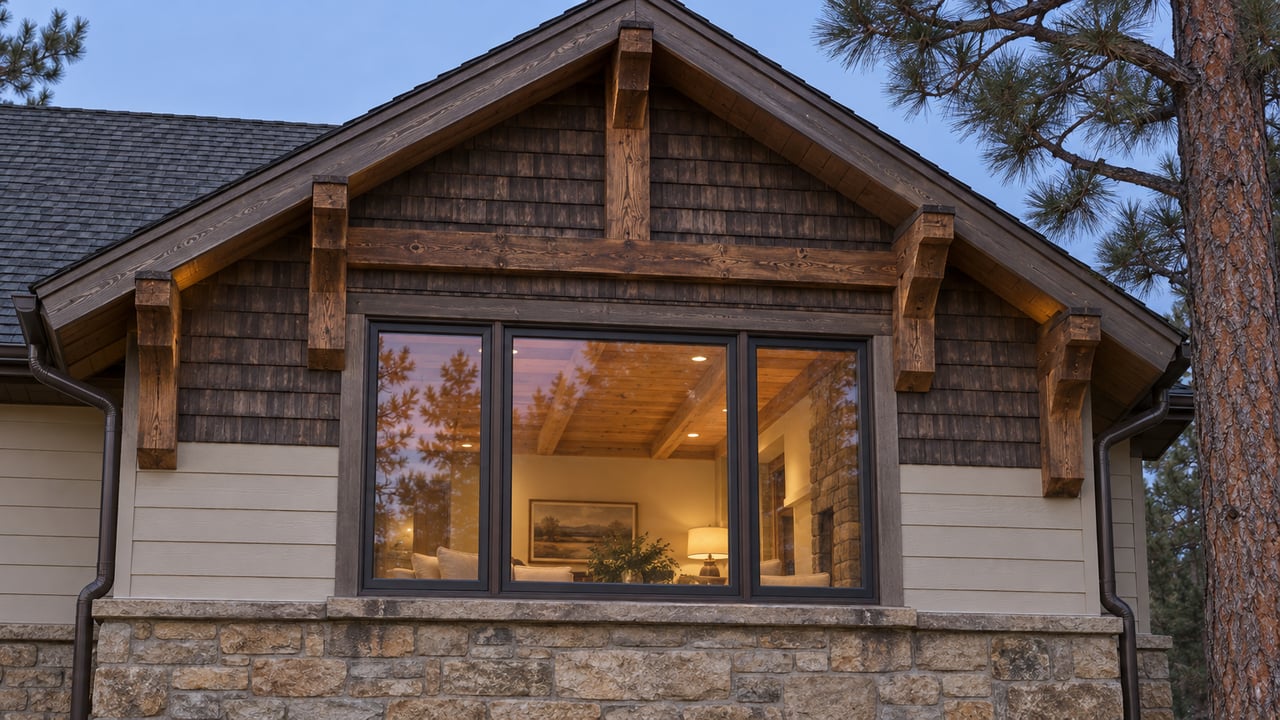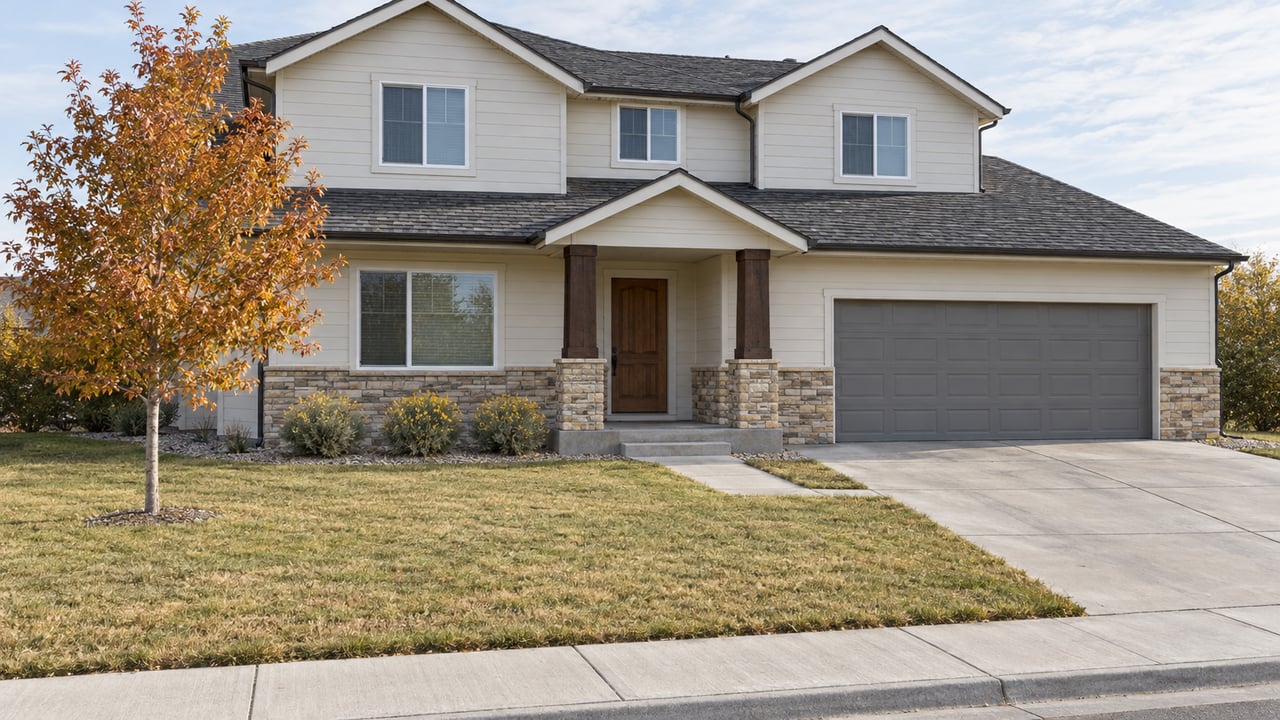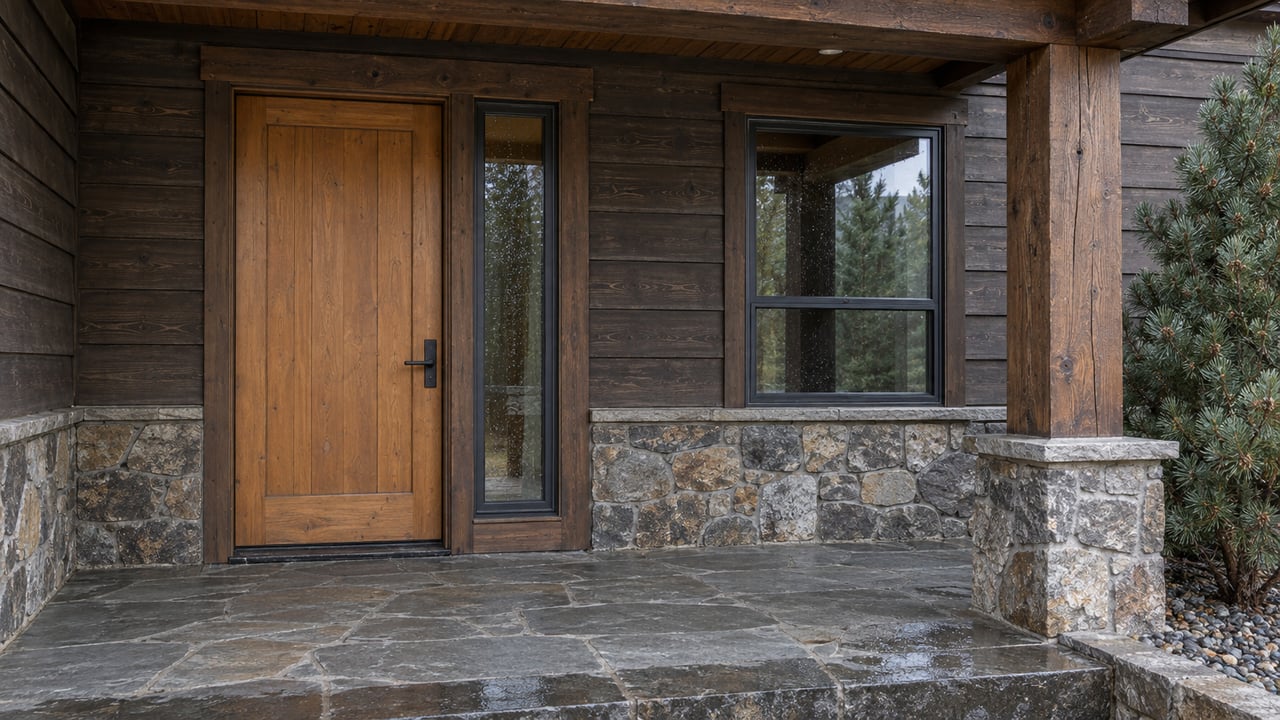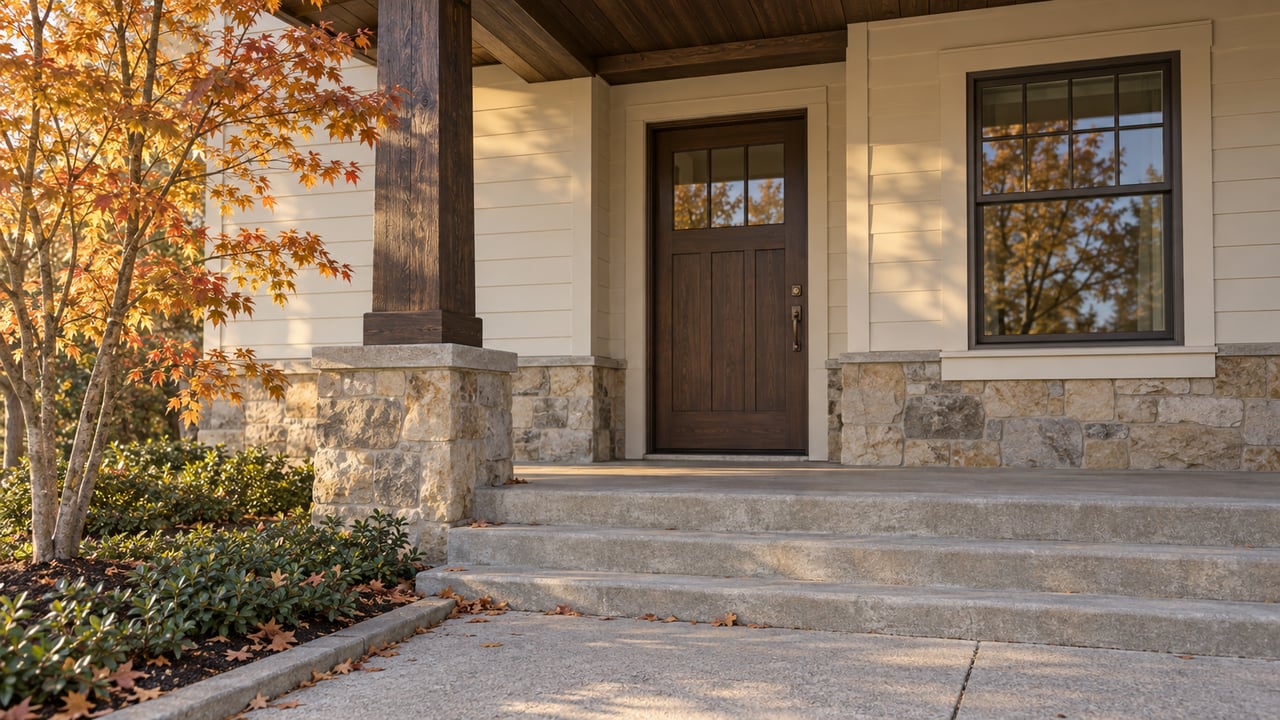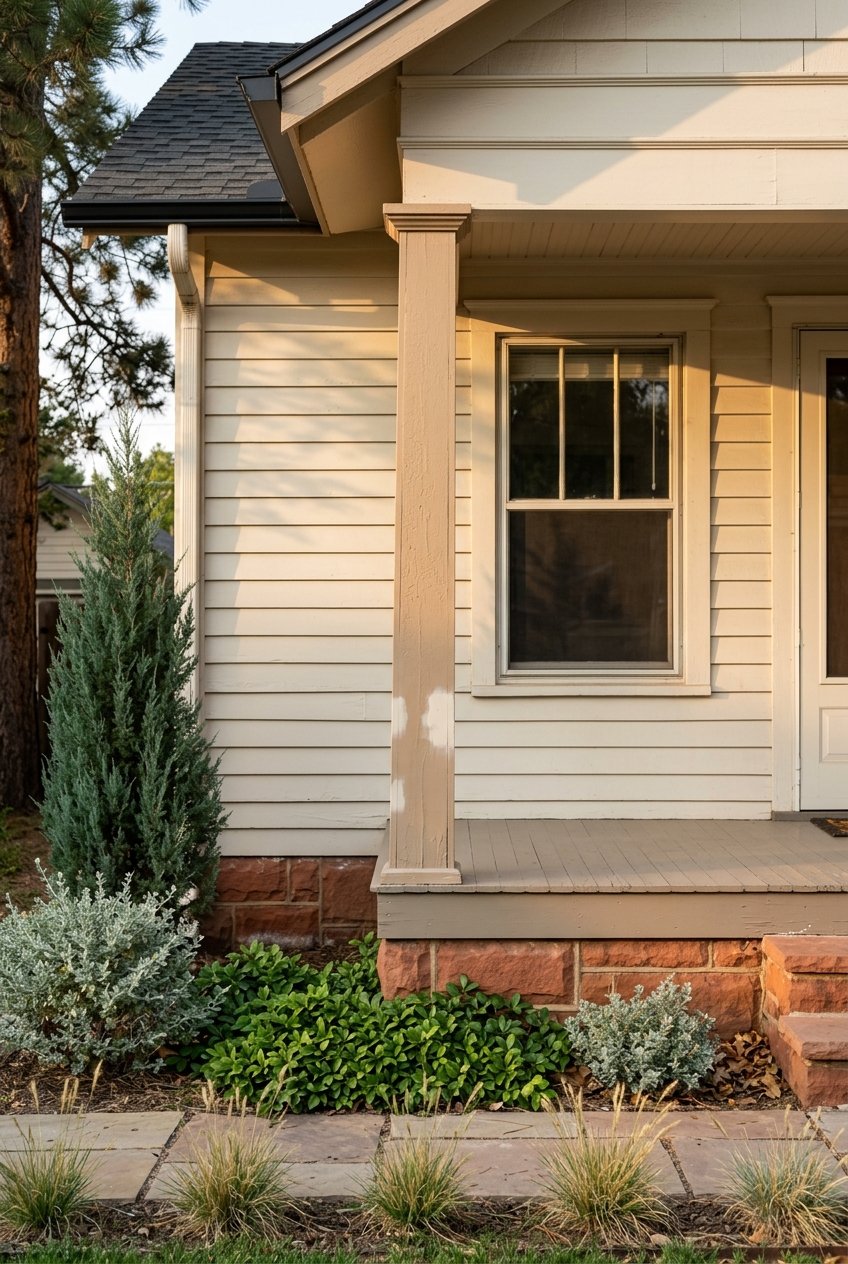
Thinking about buying a fixer-upper in Old Colorado City? It can be an exciting way to own a home with character in one of Colorado Springs’ oldest areas, but older homes often come with more than peeling paint and dated finishes. If you want to buy smart, you need to understand the difference between charm and costly surprises, what to verify before you make an offer, and how local review and permitting can affect your timeline. Let’s dive in.
Why Old Colorado City Appeals
Old Colorado City stands out because it combines deep local history with a strong sense of place. City planning materials identify it as part of Colorado Springs’ early historic core, and the area is also recognized as a historic neighborhood and creative corridor.
That history shows up in the housing stock. In and around Old Colorado City, you may find pre-World War II homes, a mix of architectural styles, and properties that have changed over time through additions, updates, and varying levels of maintenance.
For you as a buyer, that means a fixer-upper here is often not a perfectly preserved period home. More often, it is an older house with layers of work completed across different decades, which makes careful due diligence especially important.
Understand the Historic District Difference
One of the biggest mistakes buyers make is assuming all of Old Colorado City works under the same rules. It does not.
The National Register-listed Old Colorado City Historic Commercial District is a narrower commercial core centered along Colorado Avenue. The broader westside and surrounding Old Colorado City residential areas are different from that compact commercial district.
That distinction matters because a property’s exact parcel-level status can shape what you can renovate and how long approvals may take. City materials note that historic neighborhoods may or may not have specially adopted design guidelines or master plans, so you need to verify the property’s specific local status before you finalize your renovation plans.
What Fixer-Uppers Often Need
Older homes in Old Colorado City often need a mix of cosmetic updates and major system work. Some projects are fairly straightforward, while others can trigger permits, inspections, or additional review.
A good starting point is to separate the wish-list updates from the must-do repairs. That helps you budget more realistically and avoid overestimating what you can tackle right after closing.
Common cosmetic improvements
Pikes Peak Regional Building Department says cosmetic work generally does not require permits for items such as:
- Interior painting
- Exterior painting
- Cabinet replacement
- Most appliance swaps
- Carpet or other floor covering installation
- Fence work up to 7 feet
- Detached accessory structures up to 200 square feet
- Minor plumbing or heating repairs
Even with lower-disruption work, some items may still need zoning or floodplain review. That is why it helps to confirm requirements early instead of assuming a project is fully exempt.
Common major repair categories
In older homes, some of the most common upgrade categories include:
- Roof
- Windows
- Doors
- Water heater
- Furnace
- Flooring
- Plumbing
- Electrical
These categories are useful because they often drive the biggest early budget decisions. A home that looks manageable on the surface can become much more expensive if several of these systems need attention at once.
Which Projects Usually Need Permits
If you are buying a fixer-upper, permit-related work can affect both cost and timeline. In Old Colorado City, that matters even more when an older home has had previous additions or alterations.
PPRBD says permits are typically required for projects such as:
- Decks
- Porches
- Sunrooms
- Patio or deck enclosures
- Garage conversions
- Exterior siding and stucco
- Electrical work
- Water heaters
- Boilers
- Furnaces
- Air conditioning systems
- Roofing
- Retaining walls over 4 feet
If your project affects sidewalks, curbs, driveways, or excavation in the public right-of-way, separate city licensing and permitting may also apply. That can add another layer to your planning.
Hidden Risks in Older Homes
A fixer-upper budget can get off track quickly if you focus only on visible issues. In older Old Colorado City homes, some of the most expensive problems are hidden behind walls, under floors, or below grade.
Colorado’s Division of Real Estate describes a home inspection as a limited review of the property’s general condition and major components. It also recommends hiring a qualified inspector and adding specialized inspections when needed.
Specialized inspections worth considering
Depending on the property, you may want to consider:
- Sewer scope
- Structural engineering review
- Lead-based paint testing for homes built before 1978
- Asbestos testing when applicable
These extra steps can give you a clearer picture of true renovation costs before your inspection deadline passes. They can also help you decide whether to move forward, renegotiate, or walk away.
Why Permit History Matters
Permit history is not just a paperwork issue. It can directly affect your resale value, financing path, and the ease of getting to the closing table.
PPRBD warns that work completed without a required permit is often discovered before resale through the home inspection process. It can lead to a stop-work order or a certificate of non-compliance, and in some cases it may delay or even cancel a sale.
If you are looking at an older home with an addition, converted garage, enclosed porch, or major system updates, reviewing prior permits should be part of your pre-offer strategy. It is one of the clearest ways to spot future headaches before they become your problem.
Historic Review Can Change Your Timeline
If a property is inside a local Historic Preservation Overlay zone, renovation planning can become more layered. According to city Historic Preservation Board guidance, modifications to an existing structure, new structures, and demolition require review, and reroofing has its own report-of-acceptability process.
At the same time, not every historic-looking home has the same level of local regulation. City planning materials make clear that identifying an area as historic is not the same thing as assigning a special zoning overlay, and National Register listing alone does not automatically create local protection rules.
That is why your first question should not be, “Is this house old?” It should be, “What is this parcel’s exact local status, and what approvals will this scope of work require?”
Plan Your Budget With Buffer Room
Fixer-upper buyers often underestimate how much timing affects cost. A project may look affordable on paper, but delays tied to inspections, review, contractor scheduling, or hidden conditions can stretch the budget.
A practical timeline for an Old Colorado City fixer-upper often looks like this:
- Complete the general home inspection
- Order specialized inspections if needed
- Verify historic overlay or zoning status
- Review permit requirements
- Submit permits where required
- Line up licensed contractors
- Order materials
- Start construction with a contingency buffer
That last step matters more than most buyers expect. In older homes, hidden conditions are common enough that you should leave room in both your calendar and your budget.
Know the Contractor Rules Before You Buy
If you plan to renovate after closing, it is important to understand who can pull permits. PPRBD says that when a contractor is hired for permit-required work, the contractor must be licensed and registered with PPRBD.
It also states that a homeowner permit is available only for work on the owner’s primary residence where the owner resides. For investor purchases or non-owner-occupied properties, self-performing or self-permitting is not an option under that rule.
That can shape your buying strategy. If you are purchasing as an investor or buying with a delayed move-in plan, it is smart to line up licensed contractors early and confirm availability before your inspection period ends.
Preserve Character to Protect Resale Appeal
One of the reasons buyers are drawn to Old Colorado City is the sense of time and place. Local planning materials and district descriptions point to historic buildings, traditional scale, brickwork, and a creative corridor identity that help define the area.
For resale, that character can be a real strength when updates respect the home’s existing style instead of stripping it away. You do not need to freeze a home in time, but thoughtful improvements often fit the area better than renovations that ignore the property’s original form and materials.
In practical terms, buyers may respond well to homes that balance older character with reliable systems and usable modern updates. That combination can make a renovated fixer-upper feel both distinctive and move-in ready.
Potential Incentives to Ask About
Some buyers look at older properties partly because of possible rehabilitation incentives. History Colorado says properties listed in the National or State Register may be eligible for investment tax credits for approved rehabilitation projects and may also compete for State Historical Fund grants.
The key word is may. These benefits depend on the specific property and the approved scope of work, so they should be treated as possible upside rather than a guaranteed part of your budget.
A Smart Pre-Offer Checklist
Before you write an offer on a fixer-upper in Old Colorado City, focus on the items most likely to affect cost, schedule, and resale quality.
Use this checklist:
- Verify whether the parcel is inside a local historic overlay
- Review permit history for additions and major system work
- Budget for a general home inspection
- Add sewer, structural, or hazard testing as needed
- Identify likely permit-triggering improvements
- Talk with licensed contractors about availability and scope
- Build in a contingency for hidden conditions
This approach helps you move beyond the emotional pull of an older home and evaluate the property like a well-informed buyer. That is often the difference between a rewarding project and a very expensive surprise.
Buying a fixer-upper in Old Colorado City can absolutely make sense if you go in with clear expectations. The homes here can offer history, personality, and long-term appeal, but the smartest purchases usually start with careful verification, realistic budgeting, and a renovation plan built around the property’s actual status. If you want local guidance on evaluating older homes in Colorado Springs, The Lauber Group can help you make a confident move.
FAQs
What should you check before buying a fixer-upper in Old Colorado City?
- Verify the parcel’s historic overlay status, review permit history, order a qualified home inspection, and consider sewer, structural, lead-based paint, or asbestos testing when needed.
Do fixer-upper projects in Old Colorado City need permits?
- Many do. PPRBD says permits are typically required for work such as roofing, electrical, furnaces, water heaters, air conditioning, porches, decks, garage conversions, and some exterior changes.
Is the Old Colorado City historic district the same as the whole neighborhood?
- No. The National Register-listed historic commercial district is a narrower core, while the broader Old Colorado City residential area includes many older homes with different parcel-level rules and statuses.
Why does permit history matter when buying an older home in Colorado Springs?
- Unpermitted work can be discovered before resale, may trigger enforcement issues, and can delay or derail a future sale, which makes permit history an important part of due diligence.
Can you pull your own permits for a fixer-upper in Old Colorado City?
- Only in limited cases. PPRBD says homeowner permits are for work on the owner’s primary residence where the owner lives, while permit-required work done by hired contractors must involve licensed and registered contractors.