Wondering whether you can realistically live in Woodland Park and work in Colorado Springs? The short answer is yes, but this is not the same as a simple in-town drive. If you are weighing mountain-town living against daily convenience, understanding the real trade-offs can help you make a smarter move. Let’s dive in.
What the Woodland Park commute looks like
Woodland Park sits about 20 miles west of Colorado Springs, and the area is commonly described as roughly 20 minutes up Ute Pass from the city, according to the Woodland Park School District. In typical traffic, the drive from Woodland Park to Colorado Springs is about 19 miles and 29 minutes. That makes it a realistic option for many daily commuters.
Still, mileage only tells part of the story. This route runs along the US-24/Ute Pass corridor, so the commute includes elevation changes, mountain driving, and more variability than a typical suburban route. If you are comparing Woodland Park with a neighborhood inside Colorado Springs, that difference matters.
Why this commute feels different
The biggest factor is elevation. According to NOAA climate data, Colorado Springs Municipal Airport sits at 6,181 feet, while Woodland Park is at 8,465 feet. That change in elevation is one reason the drive can feel very different from an in-town commute.
Colorado Springs has an annual snowfall normal of 32.5 inches based on NOAA’s 1991 to 2020 normals. Since Woodland Park is higher in elevation, commuters should expect more winter driving exposure up the pass than they would in Colorado Springs proper. In other words, even when city roads look manageable, conditions farther west may be more challenging.
Winter driving on US-24
If you plan to commute year-round, winter prep is part of the deal. The Colorado Department of Transportation traction law page notes that traction laws can be activated on any state highway during winter storms. When the passenger vehicle chain law is in effect, every vehicle must have chains or an approved alternative traction device.
CDOT has also specifically warned that US-24 can become icy and snow-packed during major storm events. That means the Woodland Park commute is workable, but you should treat winter tires, checking road conditions, and building in extra time as practical essentials. Flexibility can make a big difference on storm days.
Road work and delay planning
Weather is not the only factor that can affect your drive. According to CDOT, the US-24 resurfacing project between Divide and Woodland Park is scheduled to resume in summer 2026 after a winter shutdown. For commuters, construction can add another layer of unpredictability.
That does not mean the drive stops being feasible. It simply means you should expect some days to run longer than the average. If your schedule is tight every morning, that extra variability is worth thinking through before you buy.
Woodland Park vs Divide for commuting
Some buyers look at both Woodland Park and Divide when they want a mountain setting with access to Colorado Springs. The two communities share the same general corridor, but the commute is not the same. In typical traffic, Divide is about 26 miles and 37 minutes from Colorado Springs, compared with Woodland Park’s shorter drive.
That gap may not sound huge at first, but over the course of a week it adds up. Woodland Park is usually the better fit if you want a more service-oriented mountain town and a shorter daily drive. Divide tends to fit buyers who are comfortable trading more commute time for a more rural feel and more land.
What you are really trading for
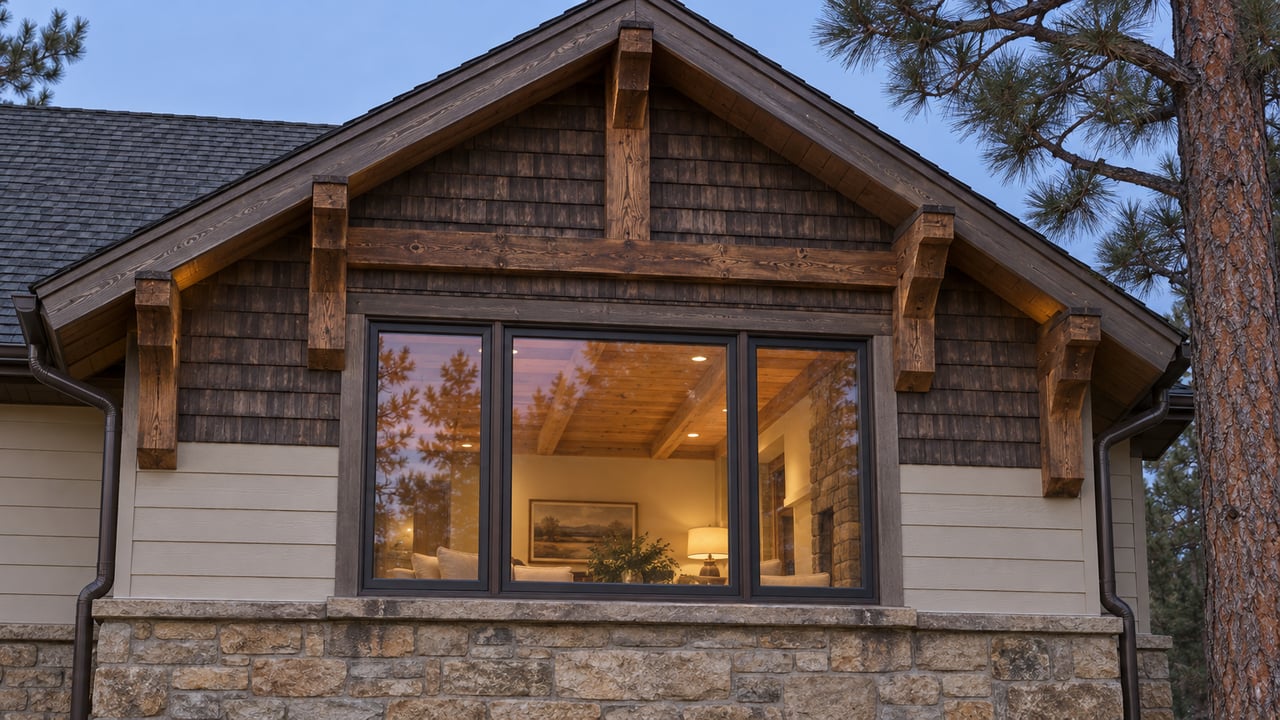
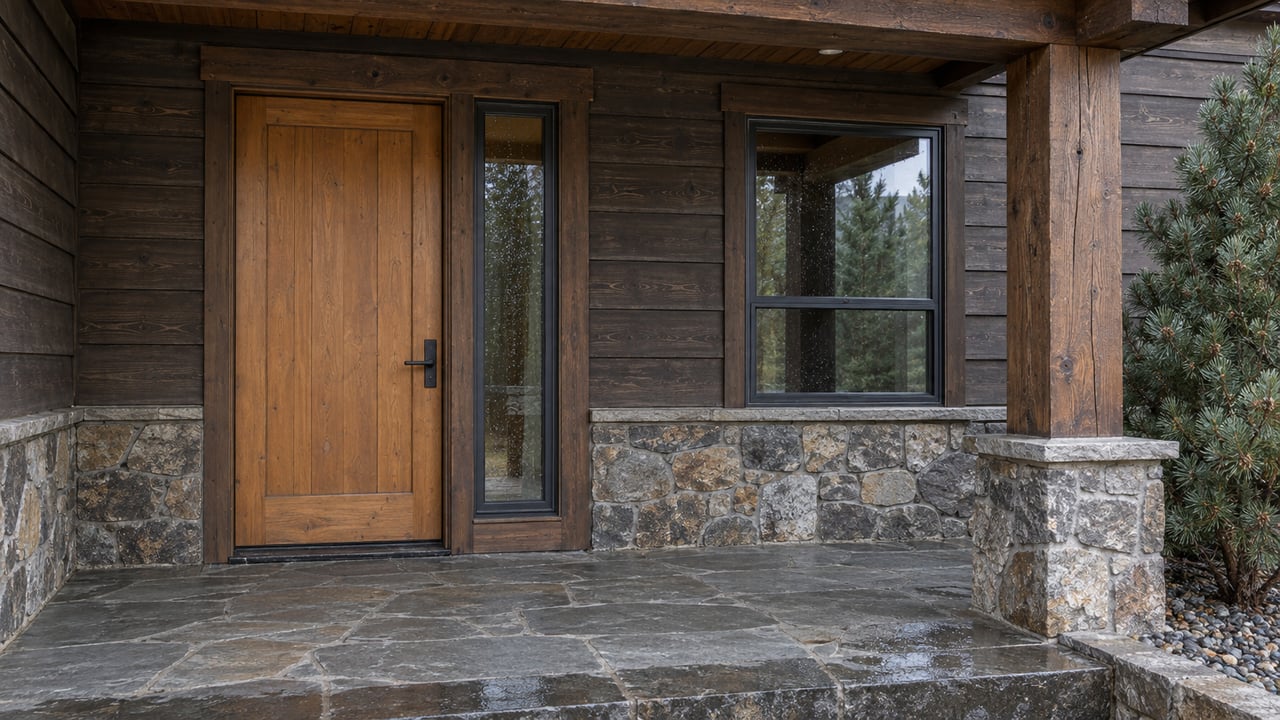
For many buyers, commuting from Woodland Park is not just about distance. It is about lifestyle. You are not choosing a farther-out suburb. You are choosing a mountain community along the pass, with a setting and pace that feel distinct from Colorado Springs.
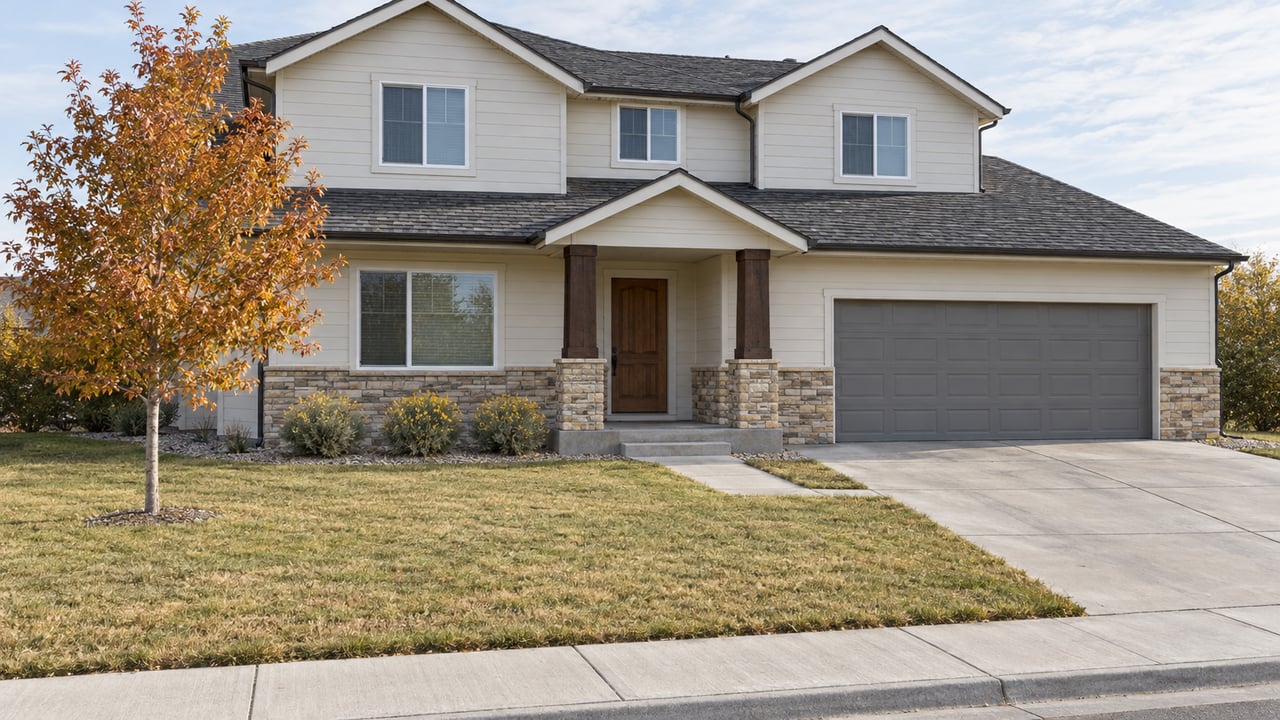
That difference often shows up in the housing stock too. Current Realtor.com market snapshots for Woodland Park show a median list price of $562,275, with 153 homes for sale and a median price per square foot of $281. Colorado Springs, by comparison, shows a median list price of $467,825 with 2,118 active listings.
The takeaway is important: Woodland Park is usually not the bargain option. Buyers are often paying for the mountain setting, lot size, and overall environment, not simply getting a cheaper home farther away.
Lot size often changes the equation
If you are considering Woodland Park, lot size may be one of the biggest reasons to make the move. Current Woodland Park listings often show properties around roughly 0.8 to 1.0 acre, with some larger tracts available. That can look very different from in-town Colorado Springs lots.
This is where the commute question becomes more personal. If you want more breathing room, more separation between homes, or a mountain-living feel, the drive may feel like a worthwhile trade. If your top priority is minimizing drive time above all else, Colorado Springs may be the better match.
Who this commute works best for
A Woodland Park to Colorado Springs commute tends to make the most sense for a few types of buyers.
Buyers who want mountain-town living
If you want a home base that feels distinct from the city while staying connected to it, Woodland Park offers that middle ground. The drive is still manageable in typical conditions, but the setting feels more elevated, wooded, and land-focused than most Colorado Springs neighborhoods.
Hybrid or flexible commuters
This commute is often a strong match if you do not need to be in the office every single day. Weather, road conditions, and construction can all add variability, so having some flexibility in your work schedule can make mountain living much easier.
Buyers prioritizing land over convenience
If you are looking for more space, the Woodland Park and Divide corridor may offer what you want. That does not always mean a lower purchase price, but it can mean more land and a different type of living experience than you may find in the city.
When Colorado Springs may be the better fit
There is also value in being honest about when this commute may not work well. If you need the most predictable travel time possible, want the largest pool of available homes, or want a lower-cost benchmark, Colorado Springs may make more sense. With significantly more active listings and a lower median list price, it gives buyers more options in the same broader regional market.
That does not make Woodland Park less appealing. It simply reinforces that this decision is a lifestyle trade-off, not a simple price or mileage comparison.
How to evaluate the commute before you buy
Before you choose Woodland Park, it helps to look at the drive through a practical lens.
Test the route at real times
Drive US-24 during the hours you would actually commute. A mid-day test drive may feel easy, but your real experience can change depending on time of day, weather, and seasonal traffic patterns.
Plan for winter readiness
Review CDOT guidance, prepare your vehicle for traction law requirements, and expect winter driving to be part of life at this elevation. Being prepared can reduce stress and make the commute feel much more manageable.
Match the home to your schedule
A home with more land and mountain character can be worth the drive for the right buyer. But if your routine leaves almost no room for delays, that same home may feel less convenient over time.
The bottom line on commuting from Woodland Park
Commuting from Woodland Park to Colorado Springs is realistic for many buyers, especially if you are drawn to mountain-town living and can handle some seasonal variability. In typical traffic, the drive is short enough to work, but the pass, higher elevation, winter road conditions, and occasional construction all make it different from an in-town commute.
The right choice comes down to what you value most. If you want a closer, more service-oriented mountain town, Woodland Park can be a strong fit. If you want more space and a more rural feel, Divide may be worth the longer drive. And if convenience, lower cost, and more inventory lead your list, Colorado Springs may remain the better option.
If you are weighing Woodland Park against Colorado Springs and want local guidance on how the commute, home styles, and lot sizes compare, connect with Chad Lauber. You can get clear, practical advice tailored to the way you actually live and work.
FAQs
Is commuting from Woodland Park to Colorado Springs realistic for daily work?
- Yes. In typical traffic, the drive is about 19 miles and 29 minutes, but mountain conditions can make some days slower.
How does the Woodland Park commute compare with Divide?
- Woodland Park is the shorter commute. Divide is about 26 miles and 37 minutes from Colorado Springs in typical traffic, so it usually works best for buyers comfortable with a longer drive.
What makes the Woodland Park commute different from an in-town Colorado Springs commute?
- The main differences are US-24 mountain driving, higher elevation, winter weather exposure, and possible construction-related delays.
Is Woodland Park more affordable than Colorado Springs for homebuyers?
- Not usually. Recent Realtor.com snapshots show Woodland Park with a higher median list price than Colorado Springs, so buyers are often paying for setting, land, and mountain lifestyle rather than a lower price.
Why do some buyers choose Woodland Park even with the commute?
- Many buyers choose Woodland Park for its mountain-town setting, larger lots, and the lifestyle trade-off of more space and a different environment while staying connected to Colorado Springs.