If you love the idea of stepping out your front door to tree‑lined sidewalks, brick storefronts, and mountain views, Old Colorado City might be your spot. You want character, a walkable block or two, and quick access to trails without giving up city convenience. In this guide, you’ll learn what makes Old Colorado City unique, what to expect from its historic homes, how renovations work, and smart steps to buy or sell in this beloved Westside neighborhood. Let’s dive in.
Old Colorado City at a glance
Old Colorado City began in 1859 during the Pikes Peak Gold Rush and even served briefly as the territorial capital. Its commercial core was listed on the National Register as the Old Colorado City Historic Commercial District in 1982, which helps explain the preserved look and feel you see today. You can read more about the area’s history in the Old Colorado City overview.
Locals use “Old Colorado City” to describe the historic Avenue and the surrounding residential blocks on the Westside. The broader Westside stretches toward Red Rock Canyon and the foothills, with commonly referenced edges of Highway 24 to the south, about 32nd Street to the west, about 13th Street to the east, and Uintah to the north. Bancroft Park anchors the district, and the Old Colorado City Historical Society runs a history center and programs that keep local stories alive.
Lifestyle and daily living
Walkable avenue and arts
West Colorado Avenue is compact and easy to stroll, with independent shops, galleries, and restaurants lining the core. The neighborhood hosts monthly First Friday ArtWalks, a seasonal farmers market, and the large Territory Days street festival every Memorial Day weekend. Check the Old Colorado City events calendar for current dates and details.
Parks and trail access
Bancroft Park sits in the heart of the district and often hosts community gatherings and performances. To the west, Red Rock Canyon Open Space offers multi‑use trails and classic Front Range rock features. This balance of town and trail access is a major draw if you want a quick nature break built into everyday life.
Getting around
You can expect strong walkability in and around the Avenue, with a mix of residential blocks beyond it. By car, Highway 24 and nearby I‑25 connect you to downtown Colorado Springs and the wider Pikes Peak region. The buyer and renter mix often includes local professionals, people drawn to historic character, and households connected to nearby military installations and Colorado College.
What homes look like
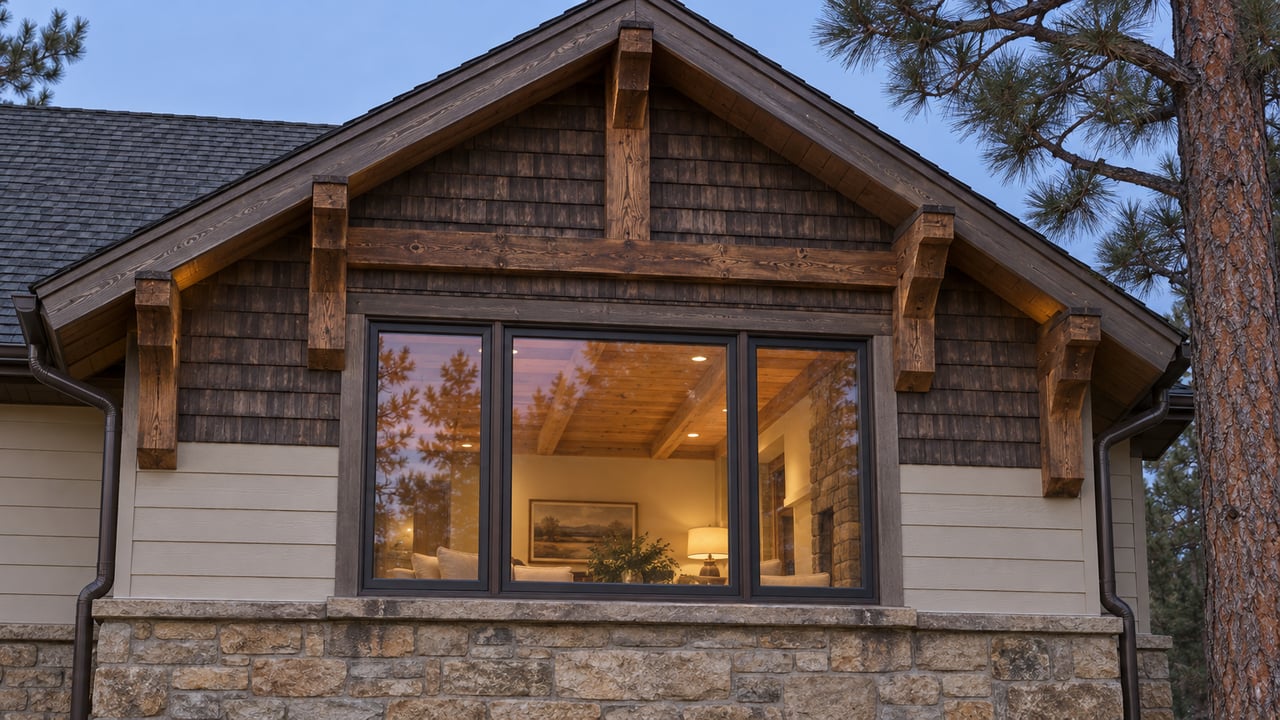
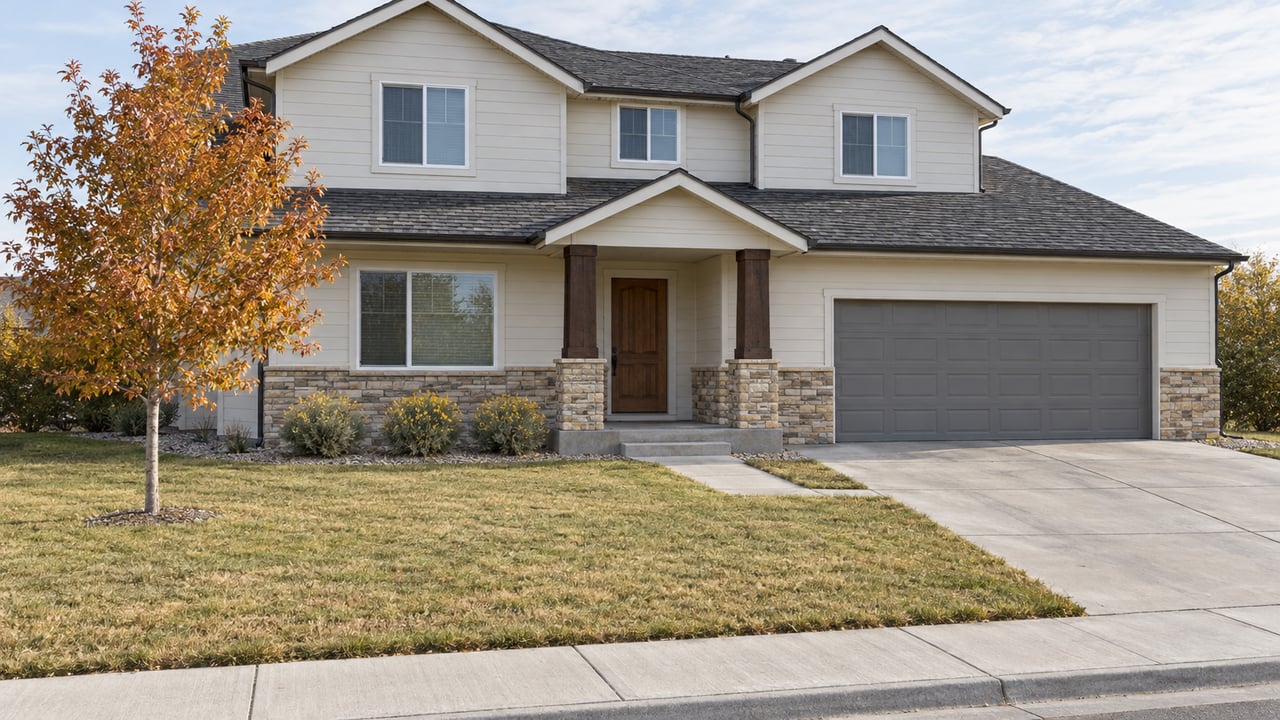
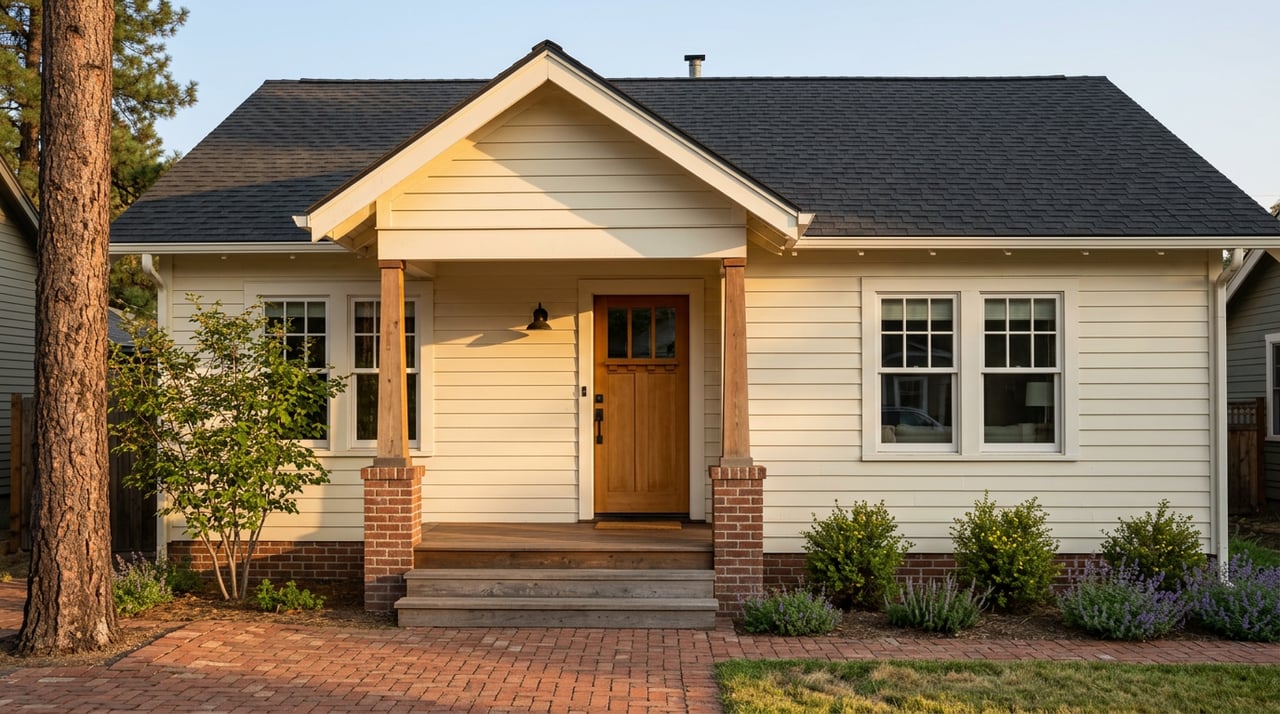
The housing stock around Old Colorado City and the Westside is varied. You will find historic cottages and bungalows, modest Victorians with Western‑Victorian details, small townhomes, and a growing number of renovated and infill homes. Many properties keep original porches, woodwork, and traditional lot patterns. On some blocks, you will see sensitive modern upgrades alongside preserved details. Buyers often weigh the charm of original features against the convenience of updated systems and layouts, a tradeoff common in older districts. Neighborhood housing patterns are summarized in the Old Colorado City market analysis.
Market snapshot
Recent neighborhood snapshots show a median sale price in the mid‑$400,000s, with an example reading of about $467,000 as of December 2025. Typical listing ranges vary by size and condition, from the mid‑$300,000s to $700,000 and above for larger or substantially renovated homes. Inventory and rental indicators can shift seasonally. Use this as a starting point, then confirm up‑to‑the‑minute numbers before you write an offer or list.
Owning a historic home: benefits and tradeoffs
Character and curb appeal
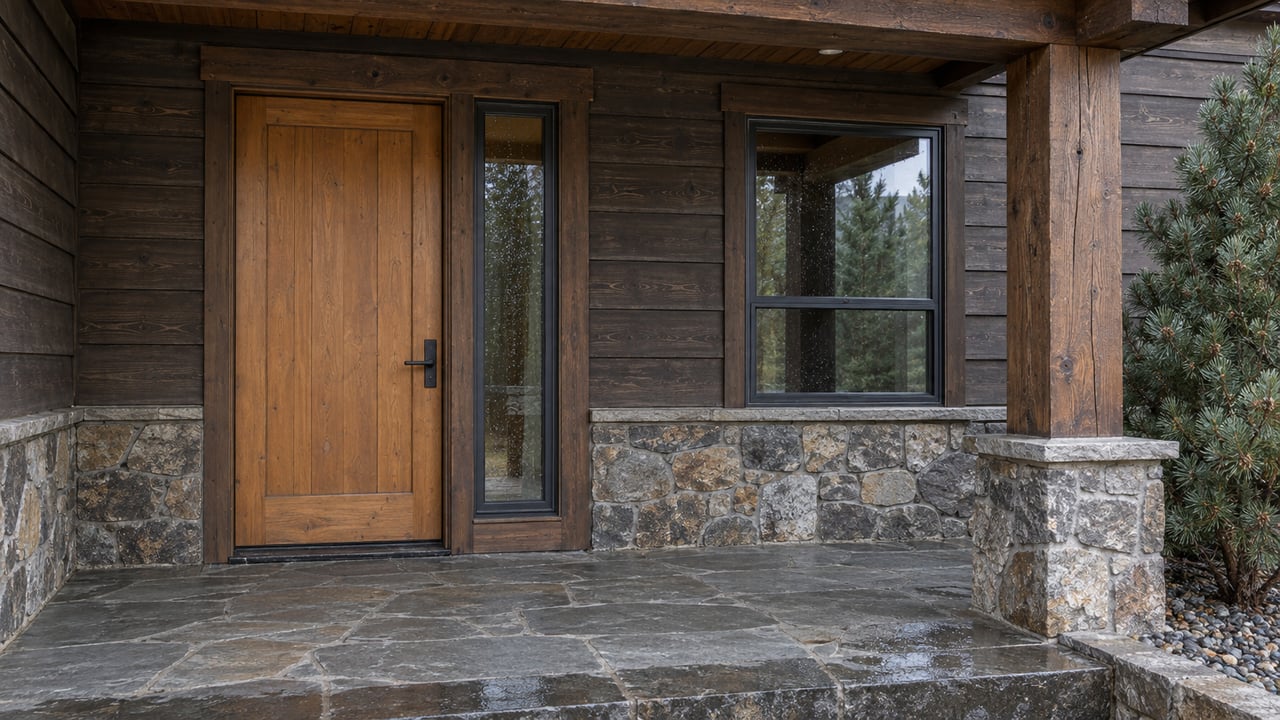
Historic homes in Old Colorado City often offer one‑of‑a‑kind details, a front porch lifestyle, and a connection to neighborhood history. Many streets feel established, with mature landscaping and a distinct streetscape shaped by brick storefronts and landmark buildings.
Common issues to check
Older homes can come with age‑related repairs. In houses built before the mid‑20th century, you may encounter:
- Roof, gutter, and flashing wear from Colorado’s sun and freeze‑thaw cycles
- Original foundations, shallow basements, or crawlspaces with past settlement or moisture
- Older plumbing lines or cast‑iron sewers that merit evaluation
- Outdated electrical systems and smaller service panels
- Single‑pane windows and limited insulation that affect energy use
- Possible lead‑based paint in pre‑1978 homes and occasional legacy asbestos in materials
Every house is different, so plan for property‑specific inspections. Guidance on working with historic buildings emphasizes a repair‑first mindset and performance upgrades that respect original fabric. See these preservation best practices for a helpful overview.
Lead paint and safe work rules
For homes built before 1978, federal law presumes the possible presence of lead‑based paint. If you plan renovations that disturb painted surfaces, contractors must follow the EPA’s Renovation, Repair and Painting (RRP) rule and use lead‑safe work practices. Buyers and sellers should expect standard disclosures and may opt for lead testing as part of due diligence. Learn more about the EPA RRP contractor rules.
Energy, windows, and historic details
Preservation standards encourage you to repair character‑defining features where feasible. For example, you might restore original wood windows, then add storm windows or interior weatherstripping to improve comfort. Many energy upgrades are possible without changing a home’s look. Attic insulation, HVAC updates, and discreet solar placement can often fit within preservation guidance. If a property has a historic overlay, some exterior changes may require review before you proceed. Review the preservation guidance overview to understand common approaches.
Rules and approvals for changes
Colorado Springs operates a Historic Preservation program and Board. Properties with a Historic Preservation overlay can require additional review for alterations or additions. A Historic Preservation General Application may be needed before some exterior work, such as porch changes or visible additions. Because requirements are property specific, check your address with the City’s staff and confirm what triggers review. Start with the City’s Historic Preservation program page.
Financing and potential incentives
Buying a fixer or planning a thoughtful rehab is possible with the right financing. Consider:
- FHA 203(k) — combines purchase and repair costs in one mortgage. Review program types and required documentation on the HUD 203(k) page.
- Conventional renovation loans — Fannie Mae HomeStyle and similar programs can fund updates for qualified projects. Explore Fannie Mae resources on HomeStyle options.
For certain qualifying rehabilitation projects, Colorado offers historic rehabilitation tax credit programs, including the statewide Commercial Historic Preservation Tax Credit. Eligibility, scope, and application timing vary, so consult program guidance early. Get details at the Colorado OEDIT tax credit page.
Insurance and ongoing costs
Insurance for older or historic homes can run higher due to the cost of specialty materials or older systems. Get quotes early and talk with your agent about endorsements that may matter for an older property, such as ordinance and law, sewer backup, or equipment breakdown. Coverage and terms vary by insurer, but these conversations help you avoid surprises. A practical overview is available in this guide to insuring older homes.
Buyer checklist for Old Colorado City homes
- Get a full home inspection, then add specialists as needed: sewer scope, electrical review, HVAC, roof and chimney, and a structural assessment if flagged. For pre‑1978 homes, consider lead testing or a lead‑risk assessment. If asbestos is suspected, ask about a survey before major work. See the EPA’s RRP rules for context.
- Confirm historic overlay status with the City. Ask the seller for any past approvals, permits, or tax‑credit paperwork. Start with the City Historic Preservation page.
- Line up the right team early. For larger rehabs, speak with lenders who regularly close renovation loans. For Standard 203(k) projects, plan on working with a HUD‑approved 203(k) consultant. Review the basics on the HUD 203(k) page.
Seller prep checklist for older homes
- Make obvious safety and system updates where feasible. Document electrical, plumbing, and heating improvements so buyers see the maintenance story.
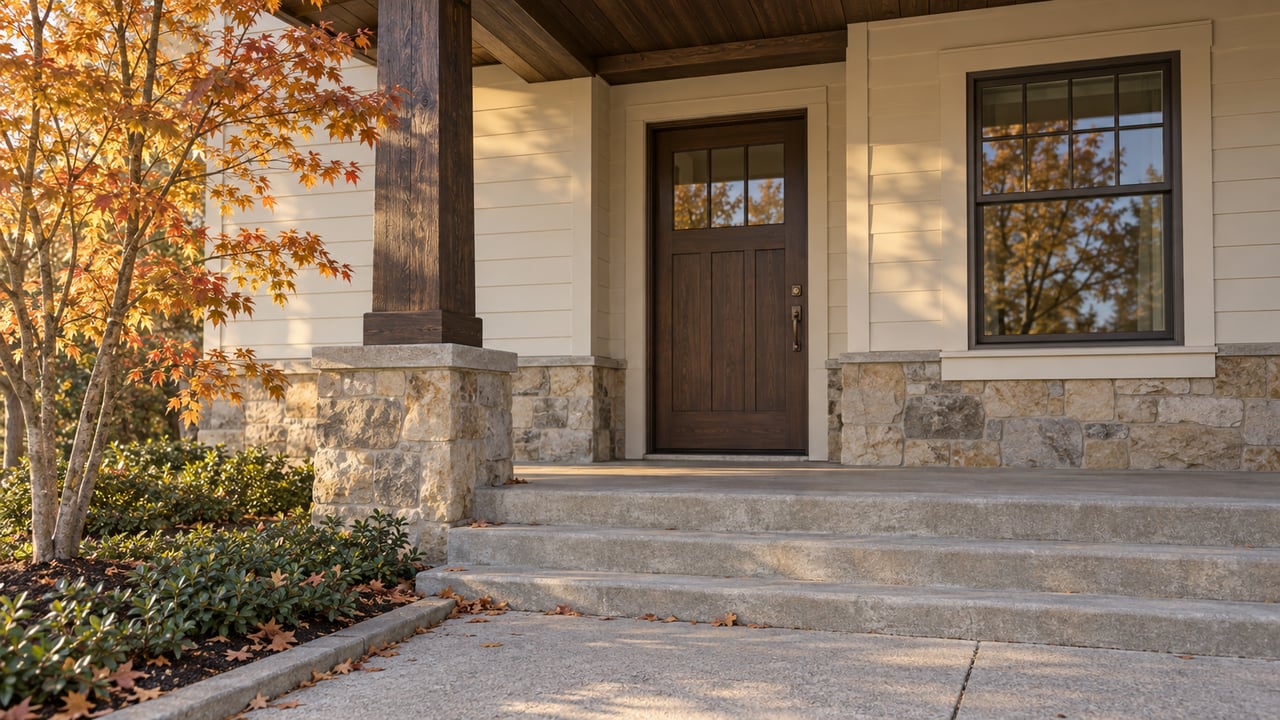
- Refresh curb and porch presentation. Small repairs, clean paint lines, and tidy landscaping can ease buyer concerns about upkeep.
- If the property has a historic overlay, gather prior approvals and any relevant design guidance. Be ready to explain how exterior changes have been handled.
- For pre‑1978 homes, be prepared to disclose known lead risks as required under federal law.
Make the most of the lifestyle
- Live close to the action. If walkability is a priority, look near the Avenue to simplify errands and dining.
- Plan for event weekends. Territory Days and monthly art walks bring energy and visitors. Embrace the community feel and the convenience at your doorstep.
- Keep outdoor gear handy. Red Rock Canyon’s trails are close enough to turn a quick break into a sunrise or sunset walk.
- Support local. Galleries, indie shops, and small restaurants help define the neighborhood’s character.
Ready to explore your options?
If you want a home with real Colorado Springs history, Old Colorado City delivers character, community, and quick trail access. Whether you are weighing a preserved bungalow or a renovated Victorian, you deserve guidance that blends local knowledge with practical planning. Reach out to Chad Lauber to talk through your timeline, compare neighborhoods, and map a clear path to buying or selling on the Westside.
FAQs
What makes Old Colorado City unique in Colorado Springs?
- It began during the 1859 Pikes Peak Gold Rush, briefly served as the territorial capital, and its core is a listed historic commercial district, which shapes today’s preserved look.
Are Old Colorado City homes more expensive to maintain?
- Older homes can need more ongoing maintenance for roofing, paint, and mechanical systems, and may require specialist trades. Thoughtful rehab can preserve value over time.
Can I change the exterior of a historic Old Colorado City home?
- If your property has a Historic Preservation overlay, certain exterior changes can require City review and a General Application. Check address‑specific rules with the City’s Historic Preservation staff.
How can I finance a fixer in Old Colorado City?
- Renovation‑friendly loans exist, such as FHA 203(k) and conventional options like Fannie Mae HomeStyle. Talk with lenders early about scope, documentation, and timelines.
What should I know about lead paint in Old Colorado City homes?
- Homes built before 1978 may contain lead‑based paint. Renovations that disturb painted surfaces must follow EPA RRP rules with certified contractors and lead‑safe work practices.